How to Clean a Shower Head Naturally to Improve Water Flow
1. Why Shower Heads Get Clogged Over Time
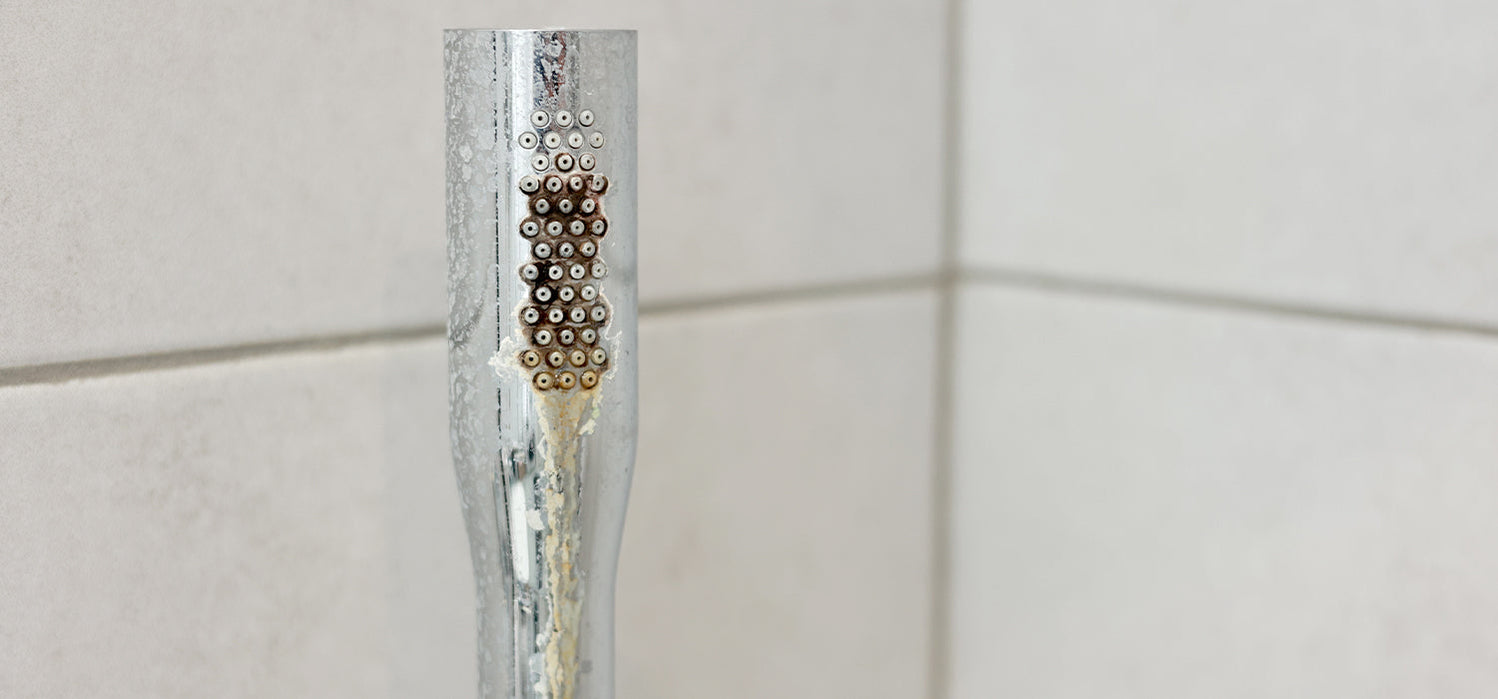
Most homes deal with mineral-rich water, often referred to as hard water. This water contains minerals like calcium and magnesium that slowly accumulate as water evaporates after each shower. These minerals settle around the tiny holes in your shower head, forming a crusty buildup known as limescale.
Soap scum and shampoo residue can add to the problem. When combined with minerals, they create a sticky layer that’s difficult to remove with plain water. Over time, this buildup narrows the nozzles, causing uneven spray patterns or reduced water flow.
There’s also a hygiene factor to consider. Moist environments are ideal for bacteria and mold growth. While it’s not something we like to think about, an unclean shower head can harbor germs that affect both water flow and cleanliness.
Regular natural cleaning not only improves water pressure but also helps maintain a healthier shower environment.
2. Signs Your Shower Head Needs Cleaning
Many people don’t realize their shower head needs cleaning until the problem becomes obvious. However, there are several early signs you can watch for.
One of the most common signs is uneven water spray. If water shoots out in random directions or some nozzles don’t work at all, buildup is likely blocking them. Reduced water pressure is another clear indicator, especially if the rest of your plumbing seems fine.
You may also notice white or greenish deposits around the nozzles or face of the shower head. This is dried mineral residue and soap buildup. In some cases, water may spray in thin streams instead of a full, steady flow.
If it’s been several months since you last cleaned your shower head, chances are it could benefit from a natural deep clean—even if the issues aren’t severe yet.
3. Natural Ingredients That Work Best for Cleaning
One of the biggest advantages of natural cleaning is that the ingredients are usually already in your kitchen. They’re effective, affordable, and safer for both your health and the environment.
White vinegar is the most popular natural cleaner for shower heads. Its natural acidity helps dissolve mineral deposits and break down soap residue without damaging most finishes.
Baking soda is another powerful natural cleaner. It works well as a gentle abrasive, making it ideal for scrubbing away stubborn buildup without scratching the surface.
Lemon juice can also be effective due to its acidic nature and fresh scent. It’s particularly useful for light mineral buildup and surface stains.
An old toothbrush, soft cloth, or small cleaning brush will help you reach tight spots around the nozzles. Avoid anything too abrasive, as it can damage the shower head’s finish.
4. Step-by-Step Guide to Cleaning a Shower Head Naturally
Cleaning your shower head naturally doesn’t take much time, and you don’t even need to remove it in most cases.
Start by filling a sturdy plastic bag with white vinegar. Carefully place the bag over the shower head so it’s fully submerged in the vinegar. Secure it with a rubber band or string and let it soak for at least one hour. For heavy buildup, leaving it overnight can be even more effective.
After soaking, remove the bag and run hot water through the shower head for a minute. This helps flush out loosened debris from inside the nozzles.
Next, use an old toothbrush or soft brush to gently scrub the face of the shower head. Pay special attention to the nozzles where buildup tends to collect. If some areas are particularly stubborn, make a paste using baking soda and a little water, apply it to the affected spots, and scrub gently.
Rinse thoroughly with warm water and wipe the surface dry with a clean cloth. You should notice a more even spray and improved water flow immediately.
If your shower head is removable, you can take it off and soak it in a bowl of vinegar for a deeper clean. This method is especially helpful for older or heavily clogged shower heads.
5. How to Keep Your Shower Head Clean Longer
Once your shower head is clean, a few simple habits can help prevent buildup from returning too quickly.
Wiping the shower head dry after use reduces the amount of water that evaporates on the surface, which in turn limits mineral deposits. This small step can make a big difference over time.
Doing a quick vinegar soak once a month helps keep buildup under control, especially in areas with hard water. Even a short 15–20 minute soak can prevent serious clogs.
If your shower head has rubber nozzles, gently rubbing them with your fingers during cleaning helps dislodge mineral deposits before they harden.
Good bathroom ventilation also plays a role. Reducing moisture in the bathroom limits mold and bacteria growth, keeping your shower head cleaner and fresher.
Final Thoughts
A clean shower head is essential for good water flow, better hygiene, and a more enjoyable daily shower. Natural cleaning methods are simple, effective, and don’t rely on harsh chemicals that can damage finishes or irritate your skin.
By understanding why shower heads get clogged and using easy natural solutions like vinegar and baking soda, you can restore strong, even water flow without much effort. Regular maintenance not only improves performance but also extends the life of your shower head.
Taking a little time to clean your shower head naturally can turn an underwhelming shower into the refreshing experience it’s meant to be—day after day.


Comments
Post a Comment